Tough but Sweet: Mastering the Duality in Sublimation Design
There is a specific visual language that captures attention instantly, a blend of high-impact energy and approachable charm. In the world of custom merchandise and apparel, this aesthetic is often referred to as the "Tough but Sweet" style. It is a design philosophy that balances edgy, bold elements with softer, more intricate details. If you are a small business owner, a graphic designer, or a hobbyist looking to create standout products, understanding how to utilize this specific sublimation design can transform your inventory from generic to unforgettable. This approach works particularly well because it appeals to a broader demographic—those who want something strong and durable, yet expressive and artistic.
Understanding the "Tough but Sweet" Aesthetic in Custom Apparel
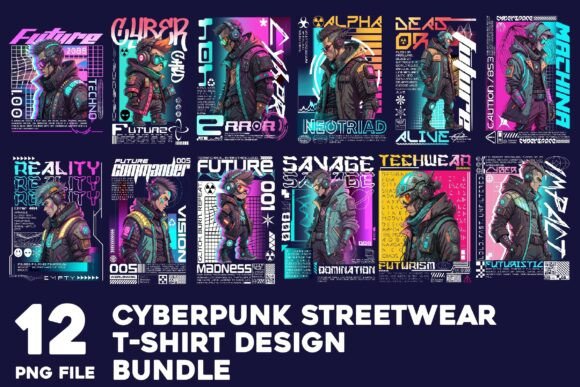
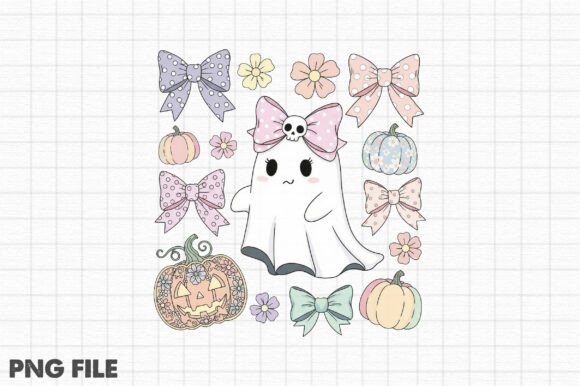
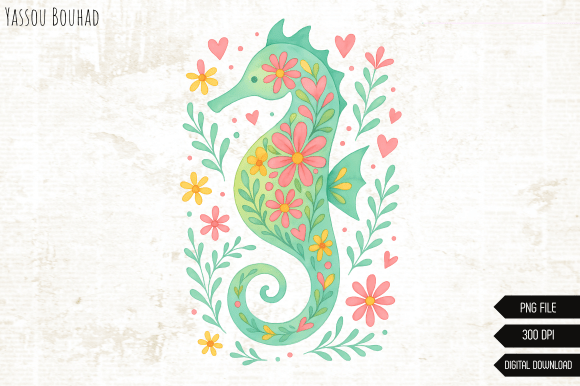
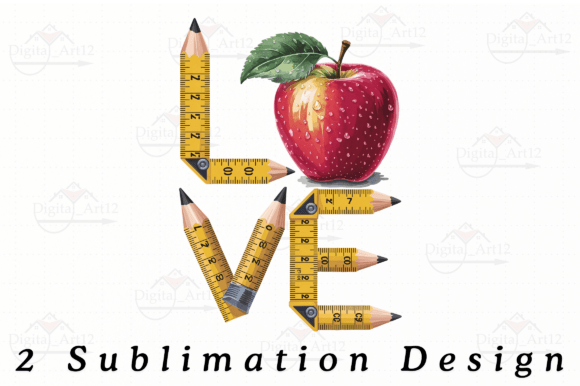
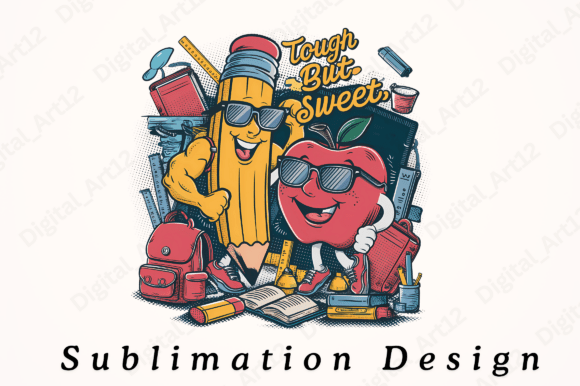
When we talk about a "Tough but Sweet" sublimation design, we are referring to a specific composition style. Imagine a background filled with rugged textures—perhaps distressed wood, concrete, or geometric shards—overlaid with delicate florals, pastel gradients, or whimsical typography. The "tough" aspect provides the structure and the visual weight, ensuring the design stands out on a shelf or in a social media feed. The "sweet" aspect brings in the color and the emotion, making the product relatable and desirable.
Visually, this style is incredibly appealing because it creates depth. It tells a story of contrast. For example, a design featuring a roaring lion surrounded by soft cherry blossoms creates an immediate focal point. This duality is not just for aesthetics; it is a strategic move in branding. It allows a brand to appear strong and reliable (tough) while remaining customer-focused and friendly (sweet). In the context of sublimation printing, where the ink bonds directly with the fabric fibers, these intricate details remain crisp. Unlike vinyl or screen printing, which can crack or peel over time, a high-quality sublimation design ensures that the delicate floral details and the bold background textures last as long as the garment itself.
From Digital File to Physical Product: Practical Applications
The versatility of a well-crafted sublimation file allows it to transcend simple t-shirt printing. While apparel is the most common application, the utility of this design style extends into various sectors of the market. If you are running a print-on-demand business or creating inventory for a local craft fair, thinking beyond the shirt can significantly increase your revenue streams.
For entrepreneurs, this design style is a powerhouse for packaging design and marketing assets. Imagine using a "tough but sweet" pattern as the background for a product box or a mailer envelope. It immediately elevates the unboxing experience. Furthermore, these designs are perfect for social media graphics. A cohesive visual identity across Instagram or TikTok helps build brand recognition. Using the same sublimation pattern on a physical product and a digital ad creates a seamless bridge between your online presence and your physical inventory.
Consider these practical applications for your next project:
- Home Decor: Throw pillows and blankets featuring this aesthetic can turn a living room into a curated space. The "tough" elements ground the room, while the "sweet" elements add comfort.
- Drinkware: Mugs and tumblers are high-margin items. A wrap-around sublimation design that contrasts sharp geometric lines with soft watercolor washes creates a premium look.
- Stationery and Invitations: For event planners or stationery designers, this style offers a modern alternative to traditional floral or minimalist themes. It works exceptionally well for wedding invitations that want a touch of rock-and-roll elegance or milestone birthday parties.
- Merchandise: Tote bags, mouse pads, and even custom puzzles can benefit from the high-resolution capabilities of a 300 dpi PNG file.
The Technical Edge: Why File Quality Matters
Design is subjective, but print quality is objective. When sourcing a sublimation design, the technical specifications are just as important as the artistic direction. A common pitfall for new creators is using low-resolution files that result in pixelated, muddy prints. To achieve that professional finish—where the ink looks like it is part of the fabric—you need a file that is built for the heat press.
The industry standard for sublimation is a high-resolution PNG file, specifically at 300 DPI (dots per inch). This resolution ensures that even when printed on large items like all-over print shirts or blankets, the lines remain sharp and the colors remain saturated. Additionally, a transparent background is crucial. It allows the design to blend seamlessly with the color of the substrate (the item being printed) or to be layered over other design elements without unsightly white boxes surrounding the artwork.
It is also important to understand what you are downloading. Sublimation files are rasterized images designed for direct printing. They are distinct from vector files like SVGs or DXFs, which are used for cutting machines like Cricut or Silhouette. While vectors are great for vinyl decals, sublimation requires the richness of a raster image to capture the gradients and shading inherent in a "tough but sweet" design. Ensuring your workflow matches your file type is the first step toward a successful production run.
Strategic Branding: Visual Consistency and Audience Connection
For small business owners, every design choice is a branding decision. Adopting a "tough but sweet" style can help define a brand identity that stands out in a crowded marketplace. This aesthetic signals that a brand is multifaceted. It suggests that the company is strong enough to handle business but creative enough to care about the details.
Visual consistency is key to brand recognition. By using a cohesive sublimation design across your product line—from the t-shirts you sell to the thank-you cards you insert in the packaging—you create a memorable experience. Customers begin to recognize your "vibe" before they even read the label. This style is particularly effective for brands targeting the modern consumer who values authenticity and aesthetic appeal.
Moreover, this design approach aids in audience engagement. In a digital landscape dominated by scrolling, a design that offers visual complexity—something to look at, a contrast to analyze—stops the thumb. It invites the viewer to look closer. Whether you are creating a poster for a local event or a header image for a blog, the interplay between hard and soft elements creates a dynamic composition that static, single-tone designs often lack.
Maximizing Your Asset: Pairing and Presentation
Once you have your high-quality sublimation design, the next step is integration. If you are using this design for editorial layouts or web design, consider how it interacts with text. A busy, textured background requires clean, legible typography. This is where font pairing becomes critical. A bold, sans-serif font often pairs well with the "tough" elements of the design, while a flowing script font can complement the "sweet" details.
When preparing your products for market, presentation is everything. For physical goods, ensure your heat press settings are calibrated correctly to avoid ghosting or color shifting. The goal is to replicate the vibrancy of the digital file onto the physical medium. For digital products, such as downloadable art or social media templates, ensure the color profile (RGB vs. CMYK) is appropriate for the viewing medium.
Ultimately, a "Tough but Sweet" sublimation design is more than just a graphic; it is a versatile tool. It bridges the gap between the rugged and the refined, offering endless possibilities for creators who want to make a statement. By focusing on high-resolution assets, understanding the technical requirements of the medium, and applying the design strategically across various platforms, you can create products that are not only visually stunning but also commercially viable. Whether you are a hobbyist making gifts for friends or an entrepreneur building an empire, this design style provides the perfect canvas for creativity.