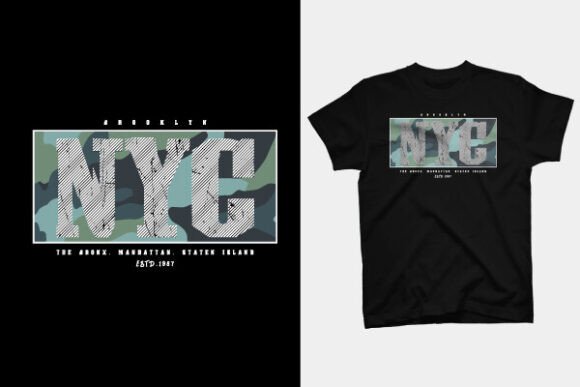
NYC T-Shirt Designs: Authentic New York City Graphics
There's a certain energy to New York City that's impossible to replicate—the towering skyline, the rush of yellow cabs, the iconic subway signage, and the gritty, artistic soul of its boroughs. Capturing that essence in a single design is no small feat, but it's exactly what the T-SHIRT DESIGN - NYC NEW YORK CITY collection accomplishes. This isn't just a set of graphics; it's a visual love letter to the city that never sleeps, packaged into ready-to-use files for creators who want to bring that unmistakable NYC vibe to their projects.
Whether you're running a print-on-demand shop, building a streetwear brand, or simply creating custom apparel for a group trip, having access to high-quality, versatile design files changes everything. The difference between a t-shirt that looks amateur and one that feels professionally curated often comes down to the artwork's resolution, scalability, and format compatibility. That's where this collection stands out—it's built for real-world use, not just screen admiration.
What Makes These NYC Graphics Stand Out
At its core, this collection blends creative illustrations with typographic designs that feel distinctly New York. Think bold skyline silhouettes layered with hand-lettered borough names, subway-inspired typography paired with gritty texture overlays, and vintage-style crests that echo the city's rich history. The visual language draws from multiple eras—retro signage from the 1960s, the punk aesthetic of the '70s and '80s, and the clean modernism of contemporary Manhattan branding.
What makes these designs particularly appealing is their versatility across garments. They work beautifully on standard t-shirts, but they're equally striking on singlets for summer markets, hoodies for urban streetwear lines, and tote bags for tourist merchandise. The compositions are balanced and intentional, meaning they don't lose their impact when scaled down for a chest print or blown up for a full-back design.
The illustration style avoids the trap of looking generic or stock-like. Each piece carries personality—whether it's the hand-drawn quality of a Brooklyn bridge sketch or the sharp geometric precision of a Times Square-inspired typographic lockup. These are designs that tell a story, and that narrative quality is what turns a simple garment into something people actually want to wear.
Practical Applications Beyond Apparel
While t-shirts are the obvious starting point, the file formats included—AI, EPS, SVG, and PNG with transparent backgrounds—open up a much wider range of possibilities. The vector formats (AI and EPS) are perfect for scaling without quality loss, which means you can use the same artwork for a business card, a billboard, or anything in between. The SVG format plays nicely with web-based design tools and cutting machines like Cricut and Silhouette, making it ideal for crafters and small business owners who work outside of Adobe's ecosystem.
Here's where these files can take your projects:
- Brand identity systems for NYC-themed businesses, from coffee shops to tour companies
- Social media graphics that stop the scroll with authentic urban imagery
- Packaging design for products marketed toward New York locals or tourists
- Event posters and flyers for gallery openings, pop-up shops, or community gatherings
- Website headers and blog graphics for travel, lifestyle, or city-focused content
- Digital products like printable wall art, stickers, or planner inserts
- Invitations and editorial layouts with a metropolitan aesthetic
- Marketing assets including email banners, ad creatives, and presentation decks
The transparent PNG files are particularly useful for content creators who work in Canva, Procreate, or other platforms where drag-and-drop simplicity matters. You don't need to be a vector graphics expert to get professional results—just drop the artwork onto your canvas and start building.
Building a Cohesive Brand with Consistent Visuals
One of the biggest challenges for small business owners and independent creators is maintaining visual consistency across multiple touchpoints. A t-shirt design that looks great in isolation might clash with your website aesthetic, your Instagram feed, or your product packaging. The strength of a well-curated design collection like this one is that the visual language is already harmonized.
The typographic elements within the collection follow a coherent style philosophy. You'll find typefaces that echo NYC's signage traditions—think of the bold, no-nonsense lettering of the MTA system, the elegant serifs of old Broadway marquees, and the raw, hand-painted feel of bodega awnings. This typographic cohesion means you can pull individual elements from different designs within the collection and they'll still work together as a unified system.
For brand recognition, this consistency is invaluable. When your customers see your merchandise, your social posts, and your website all speaking the same visual language, it builds trust and memorability. They start to associate that specific aesthetic with your brand, which is the foundation of effective visual identity work.
Consider creating a simple style guide using assets from the collection. Document which color palettes you're pulling from the artwork, which typographic styles you're using for headlines versus body copy, and how much negative space you're maintaining around the designs. This kind of discipline turns a collection of files into a genuine design asset library that serves your brand long-term.
Matching Design to Audience and Purpose
Not every NYC-themed design works for every audience. A vintage-style subway map illustration might resonate perfectly with a heritage streetwear brand targeting customers in their 20s and 30s, but it could feel out of place for a luxury boutique catering to an older demographic. Before selecting specific pieces from the collection, think carefully about who's going to wear or interact with the final product.
For streetwear and urban fashion, lean into the grittier, more textured designs. Look for pieces with distressed effects, bold sans-serif typography, and illustrations that feel raw and hand-crafted. These work well on oversized tees, hoodies, and crewneck sweatshirts where the design becomes a statement piece.
For tourism and souvenir merchandise, the cleaner, more iconic compositions tend to perform better. Skyline silhouettes, recognizable landmarks, and straightforward typographic treatments appeal to a broader audience and tend to have longer shelf life in retail settings. These designs also reproduce well on smaller items like magnets, postcards, and keychains.
For digital content and marketing, consider how the designs will look at small sizes. A detailed illustration that's stunning on a 12-inch t-shirt print might become muddy and illegible as a 300-pixel-wide Instagram graphic. The SVG and PNG formats let you test these scenarios quickly before committing to a final design direction.
File Formats That Actually Work for You
Let's talk practically about what each included format gives you:
- AI (Adobe Illustrator) — The native working file. If you have Illustrator, this is where you'll do your most detailed editing. You can adjust colors, modify typography, rearrange elements, and customize compositions to fit your exact specifications.
- EPS — A universal vector format that opens in most professional design software, including CorelDRAW, Affinity Designer, and older versions of Illustrator. This is your backup working file and the format many print shops prefer.
- SVG — Ideal for web use and cutting machines. The scalable vector format keeps file sizes small while maintaining crisp edges at any resolution. If you're selling digital downloads or working with vinyl cutting, this is essential.
- PNG Transparent — The most accessible format. No special software required. The transparent background means you can layer these designs onto any color garment mockup, any background, or any layout without worrying about white boxes or awkward cropping.
Having all four formats means you're covered regardless of your workflow, your technical skill level, or your end-use requirements. You're not locked into a single software ecosystem, which is especially important for small business owners who might be working across multiple platforms.
Getting the Most from Your Investment
The real value of a design collection like this isn't just in the individual files—it's in how creatively you deploy them. A single skyline illustration could become the hero graphic on your best-selling hoodie, a subtle watermark on your brand's packaging, a recurring motif in your social media templates, and the centerpiece of your next marketing campaign. The more you experiment with scale, color variations, and placement, the more mileage you'll get from the collection.
Print a test batch before committing to large orders. Colors shift between screen and fabric, and what looks vibrant on your monitor might need adjustment for production. Most print-on-demand services offer sample orders, and it's worth the small investment to see how the designs translate to actual garments.
Keep your licensing terms in mind as you scale. Understanding what's permitted for commercial use protects your business and ensures you can grow without legal complications. Most design asset collections like this one are built with commercial use as the intended purpose, but always verify the specific terms before launching a product line.
New York City's visual identity is one of the most recognizable and emotionally resonant in the world. Having a toolkit of premium design assets that authentically capture that identity gives you a genuine creative advantage—whether you're building a brand, stocking a shop, or simply making something that speaks to the spirit of the five boroughs.